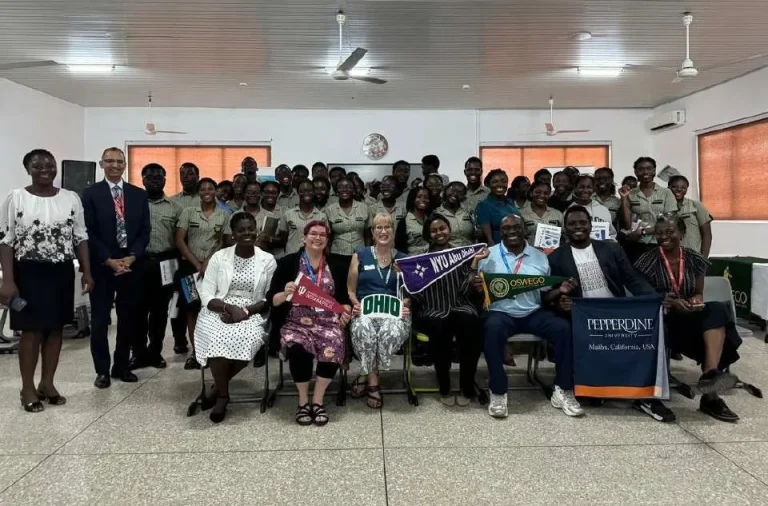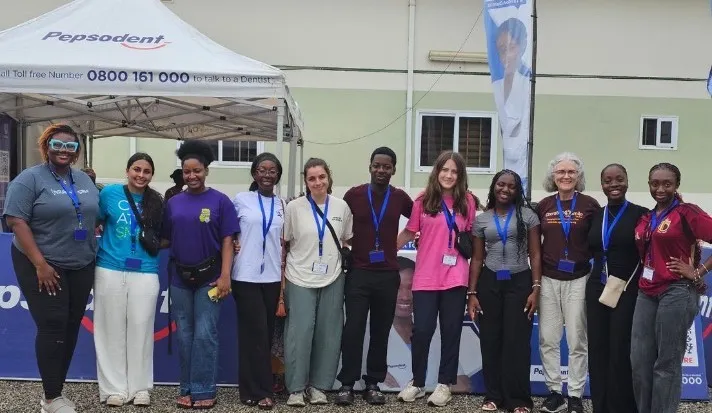
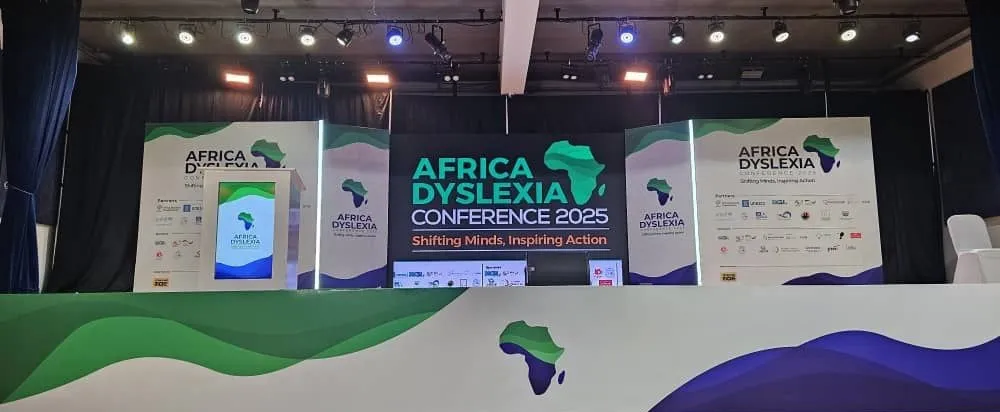
Two weeks ago, I had the privilege of attending the Africa Dyslexia Conference 2025, organized by the Africa Dyslexia Organization (ADO). The theme, “Shifting Minds – Inspiring Action”, brought together educators, researchers, and neurodivergent individuals from across the continent. It was both a learning and networking opportunity, as I connected with professionals who are committed to reimagining education, as well as with individuals who live with dyslexia and other learning differences daily.
What struck me most was how many misconceptions about dyslexia continue to shape the way learners are viewed. Too often, students with learning differences are unfairly labelled as lazy, inattentive, or disruptive. Yet, as the conference emphasized, the real challenge lies not in the learners themselves but in the rigidity of systems and teaching methods that fail to recognize diverse strengths and learning styles.
The keynote addresses were powerful reminders that shifting mindsets is the first step toward creating inclusive learning spaces:
- Julie Washington challenged deficit thinking in relation to language and dialect, reminding us that affirming students’ home languages affirms their identity and potential.
- Marilyn Marbel highlighted how neuroscience proves that learning differences are natural variations, often accompanied by strengths such as creativity, resilience, and problem-solving.
- Martin Bloomfield urged us to see inclusion not as an option, but as a right and a responsibility—one that demands daily commitment and strength-based approaches.
Beyond inspiration, I was encouraged by the practical strategies shared in the masterclasses under the theme, “Inspiring Action.” These sessions focused on interventions that schools can adopt to support learners more effectively. For example, the Universal Design for Learning (UDL) framework reminded me that instead of adding support after a student begins to struggle, we can design lessons from the start to anticipate diverse needs. Simple yet powerful strategies, such as using visuals alongside spoken instructions, offering students choice in how they demonstrate their understanding, and integrating assistive technologies, benefit not only neurodivergent learners but all students.
Another masterclass focused on structured literacy interventions, particularly for middle and high school learners. Tools such as explicit vocabulary teaching, multisensory reading strategies, and targeted comprehension support were highlighted as effective ways to help students build both confidence and competence. Most importantly, these approaches are not about “fixing” students but about equipping them with tools that match their strengths and needs.
As a member of the Learning Support team at Tema International School, I came away deeply inspired. My commitment is to bring these lessons into our school context, helping us continue to build an environment where every learner, neurodivergent or not, feels valued, supported, and empowered to thrive. At TIS, we believe in seeing challenges as opportunities for growth, and I am excited to contribute to strengthening this vision within our community.
Finally, on behalf of the LS team, I would like to take this opportunity to speak directly to our students:
seeking support is not a sign of weakness or a lack of intelligence. On the contrary, it is a courageous step towards thriving. Every learner has strengths, and sometimes, all it takes is the right strategy or tool to bring them out. The Learning Support team is here to walk alongside you, to celebrate your strengths, and to help you navigate any challenges you may face.
We should continue to normalize support and ensure that no student feels alone in their learning journey.